

Mastering GRC: Deep Dive into Governance, Risk, Compliance
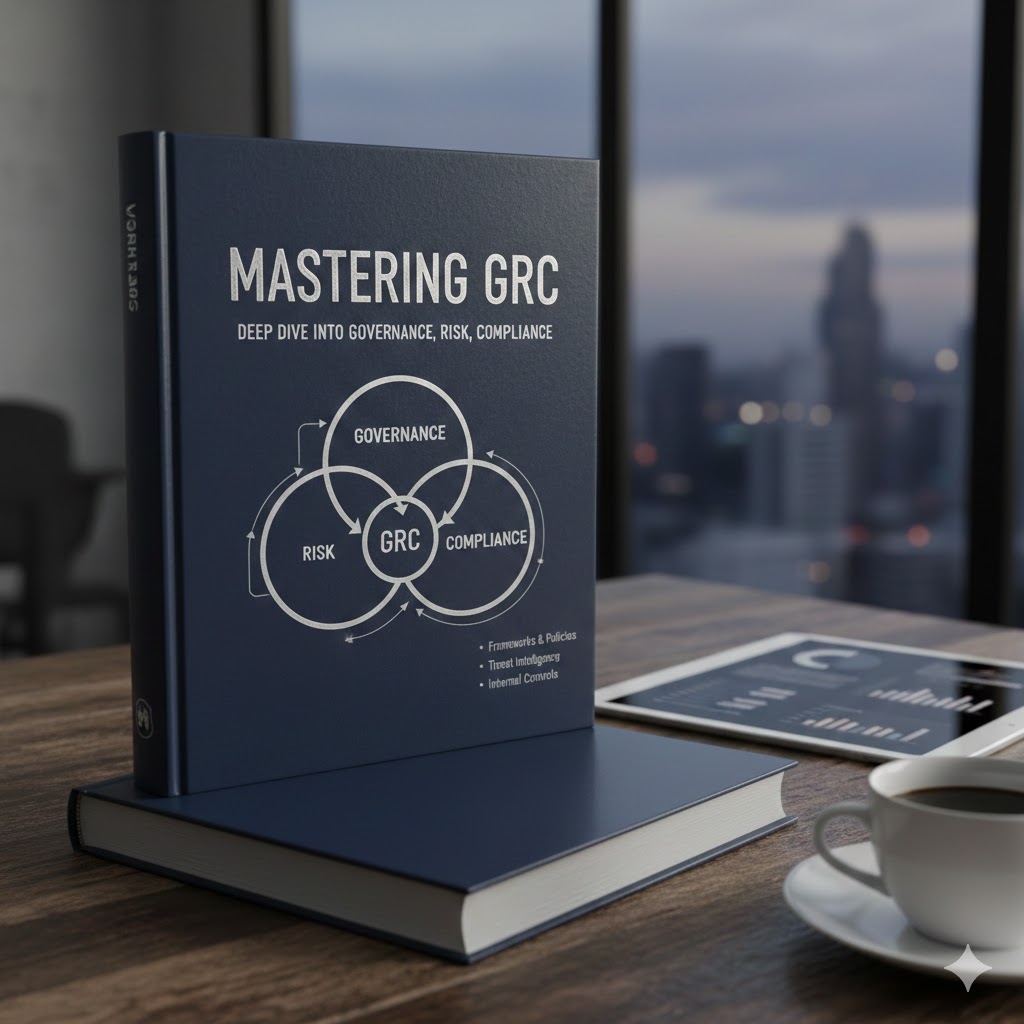
Mastering GRC: Deep Dive into Governance, Risk, Compliance
Mastering GRC: Deep Dive into Governance, Risk, Compliance
In today’s complex and fast-evolving business environment, organizations face increasing regulatory pressure, cybersecurity threats, and operational risks. To navigate this landscape effectively, companies rely on GRC—Governance, Risk, and Compliance. Mastering GRC is no longer optional; it is essential for sustainable growth, trust, and resilience.
This blog provides a deep dive into GRC, explains its key principles, and explores how it strengthens business resilience.
Mastering GRC: Key Principles of Governance, Risk, and Compliance Explained
GRC is an integrated framework that helps organizations align business objectives with risk management and regulatory requirements. Each component plays a distinct but interconnected role.
1. Governance
Governance defines how an organization is directed and controlled. It focuses on leadership accountability, decision-making structures, and ethical conduct.
Key elements of governance include:
- Clear organizational policies and procedures
- Defined roles and responsibilities
- Transparency and accountability in decision-making
- Alignment between business strategy and objectives
Strong governance ensures that leadership decisions support long-term goals while maintaining integrity and trust.
2. Risk Management
Risk management is the process of identifying, assessing, and mitigating potential threats that could impact an organization’s objectives.
Common risk categories include:
- Operational risks
- Financial risks
- Cybersecurity and technology risks
- Reputational risks
Effective risk management allows organizations to be proactive rather than reactive, reducing uncertainty and minimizing disruptions.
3. Compliance
Compliance ensures that an organization adheres to applicable laws, regulations, standards, and internal policies.
Examples include:
- Industry regulations
- Data protection and privacy laws
- Internal controls and audits
A strong compliance program helps avoid legal penalties, financial losses, and reputational damage while reinforcing ethical business practices.
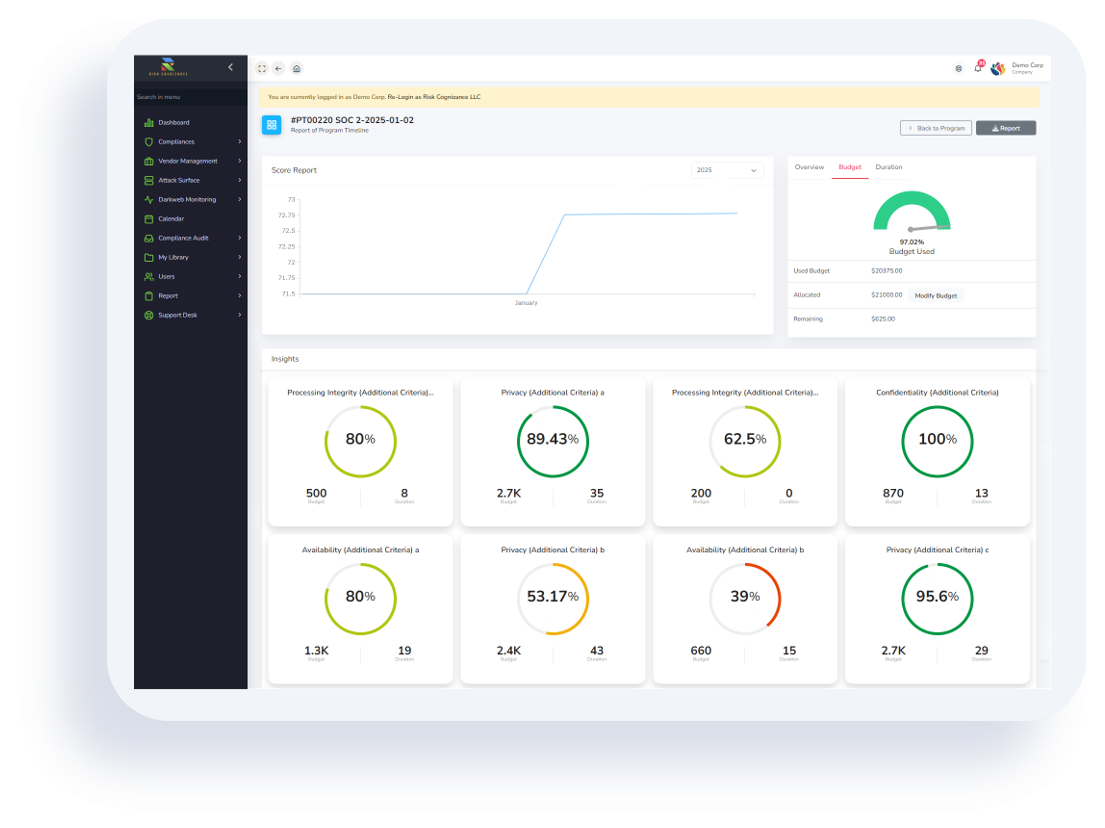

Mastering GRC: How Governance, Risk, and Compliance Drive Business Resilience
When governance, risk, and compliance operate together as a unified framework, they significantly enhance organizational resilience.
Improved Decision-Making
GRC provides leadership with accurate insights into risks and compliance requirements, enabling informed and confident decisions.
Stronger Risk Awareness
An integrated GRC approach creates a risk-aware culture where employees understand their responsibilities and potential impacts.
Regulatory Confidence
Organizations with mature GRC frameworks are better prepared for audits, regulatory changes, and compliance assessments.
Operational Stability
By anticipating risks and enforcing consistent controls, GRC reduces disruptions and strengthens business continuity.

Why Mastering GRC Matters
Organizations that invest in GRC gain more than regulatory compliance—they gain strategic advantage. A strong GRC framework:
- Builds trust with stakeholders
- Protects organizational reputation
- Enhances agility in uncertain environments
- Supports sustainable, long-term growth
Conclusion
Mastering GRC means more than checking compliance boxes—it’s about embedding governance, risk awareness, and ethical responsibility into the core of the organization. By understanding and integrating Governance, Risk, and Compliance, businesses can not only protect themselves from threats but also drive resilience, performance, and success in an increasingly complex world.